Professionals in the field encounter various terms like analytical lab, physchem lab, and biological lab. While these might sound similar, each plays a distinct and essential role in the overall treatment process.
Analytical Labs: Quantifying What's in Your Water
An analytical lab is primarily focused on determining the composition of a water sample. You'd turn to an analytical lab to know the precise makeup of you water. These labs provide detailed reports that quantify the various constituents present, like the concentration of specific ions, metals, or organic compounds. This information is vital for assessing water quality, regulatory compliance, and determining the initial characteristics of a water source.
Analytical labs typically employ techniques like spectroscopy, chromatography, and titration to identify and quantify substances. They might also conduct tests to ensure water meets drinking water standards or discharge limits. This foundational data is often the starting point for any water treatment strategy.
PhysChem Labs: Engineering Physical and Chemical Solutions
Physchem stands for physical-chemical and it centers on liquid-solids separation. WesTech’s physchem lab focuses on how to remove unwanted substances. The team uses a variety of physical processes (like sedimentation, filtration, gravity separation, and barrier filtration) and chemical processes (like coagulation, flocculation, and precipitation) to achieve liquid-solids separation.
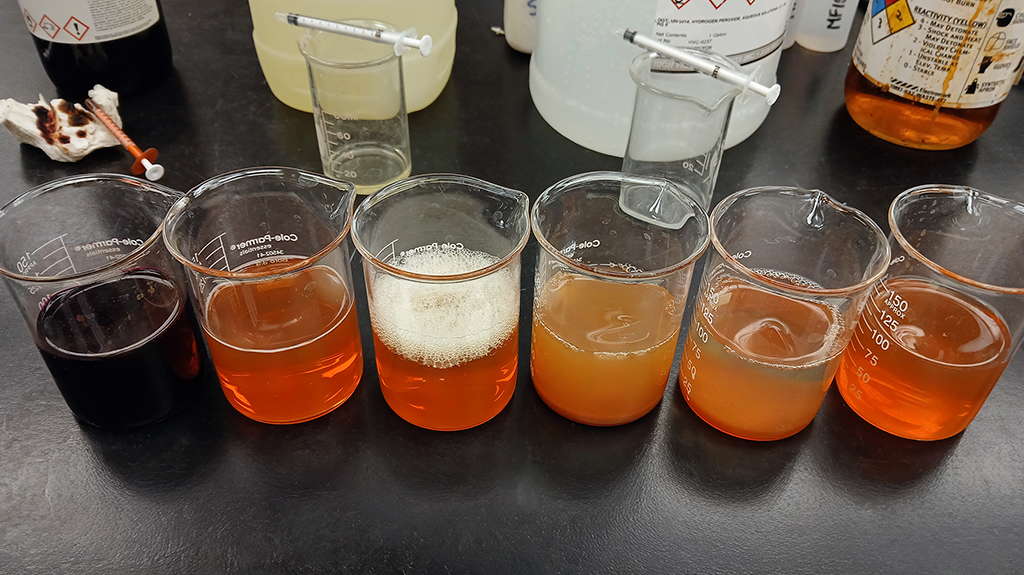
For instance, consider water with high turbidity (cloudiness) due to suspended solids. A physchem lab might conduct sedimentation tests to determine how quickly those solids settle out of the water under gravity. They might then perform jar tests, where different chemical coagulants and flocculants are added to water samples to observe how they enhance the aggregation of small particles into larger flocs, which are easier to remove. They could also test various filtration methods, such as ultrafiltration (UF) or disc filtration, to see which is most effective for removing remaining fine particles.
The physchem lab's findings directly influence the design and operation of a system that includes clarifiers, thickeners, and filters. They're essentially simulating real-world processes at a smaller scale to optimize treatment strategies.
Biological Labs: Harnessing the Power of Microorganisms
Biological labs dive into the microbial world within water. These labs work with bacteria and other microorganisms to remove specific contaminants. At WesTech, the biological lab focuses on (but is not limited to) substances like selenium and nitrates, which certain bacteria can metabolize and remove. The lab can study native bacterial populations in a water sample to see if they’re effectively breaking down pollutants. They also maintain a collection of bacteria known to treat particular contaminants.
Wastewater treatment plants often rely on biological processes. The biological lab can help optimize these processes by identifying the dominant bacterial species and recommend adjustments to encourage the growth of beneficial bacteria. For example, they might suggest modifying aeration or nutrient levels to promote a specific microbial population.
The Right Lab for the Right Job
In essence, while analytical labs tell you the “what” is in the water, physchem and biological labs address the “how” of water treatment. physchem labs use mechanical and chemical means, while biological labs utilize the natural processes of microorganisms. Understanding these distinctions is fundamental in choosing the right lab for your water treatment needs.
This post was inspired by Jaron Stanley’s recent conversation on our new podcast Between Two Plants, where he breaks down how different labs contribute to successful water treatment.